

 English
 中文简体

Animal-inspired stress toys are widely used in promotional campaigns, retail collections, corporate gifts, and novelty merchandise. From bears and cats to elephants, dinosaurs, and other creative characters, distinctive shapes can help brands build recognizable product collections. However, developing a new animal design involves more than choosing an attractive appearance. Buyers need to consider structural details, material properties, mold development, sample revisions, and production feasibility.
At Hongrui, we work with customers to review their design concepts and discuss manufacturing requirements before production begins. Developing animal shaped stress balls requires a clear approval process that connects the original artwork with the final physical product. The following stages explain how buyers can manage a custom animal-shaped project.
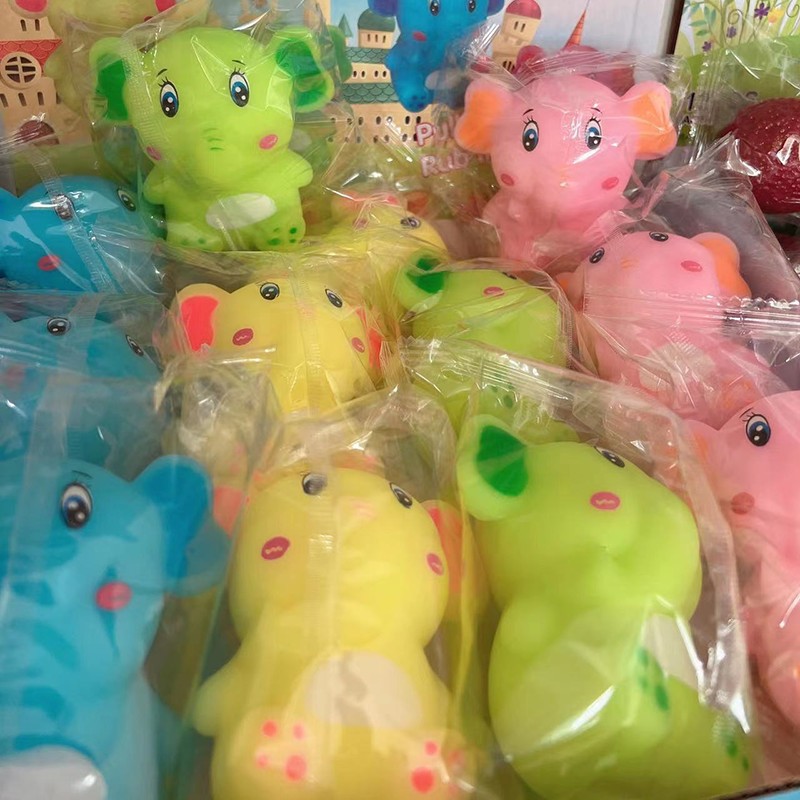
1. Start with Clear Animal Design References
A successful development project begins with a clear visual direction. Buyers can provide hand-drawn sketches, digital illustrations, product photographs, or 3D references to communicate their desired appearance.
We recommend preparing the following information:
- Animal type: Identify the requested animal, character, or mascot.
- Overall proportions: Specify the approximate height, width, and depth of the design.
- Facial details: Define the eyes, nose, mouth, ears, and other recognizable features.
- Body structure: Explain whether the design should have a standing, sitting, or simplified rounded shape.
- Color references: Provide preferred colors or Pantone references where applicable.
Multiple viewing angles are particularly useful for three-dimensional designs. They help our team understand how the animal's features should appear from the front, sides, and back.
2. Evaluate Whether an Existing Mold Can Meet the Design
Not every customization project requires completely new tooling. Some buyers can achieve their desired appearance through an existing mold with adjustments to colors, surface decoration, or printed details.
At Hongrui, we recommend comparing two development routes:
- Existing mold: Suitable for projects based on available animal shapes. This approach can reduce tooling investment and simplify development arrangements.
- Custom mold: Suitable for exclusive mascots, distinctive animal proportions, or designs that cannot be achieved through existing molds.
The decision depends on design complexity, required product dimensions, customization scope, and purchasing plans. Buyers should also clarify mold ownership, storage, maintenance, and future usage rights in the commercial agreement.
3. Review Structural Details Before Mold Development
Animal designs often contain small features that require additional manufacturing consideration. Long ears, narrow legs, tails, protruding noses, and thin decorative sections may affect mold construction and product durability.
Our design review should pay attention to several technical details:
- Wall thickness: Check whether the proposed structure can maintain consistent material distribution.
- Rounded edges: Review sharp transitions and narrow sections that may create manufacturing difficulties.
- Surface details: Determine whether facial expressions and decorative elements should be molded or applied separately.
- Compression behavior: Consider how the animal shape will deform under hand pressure and recover after release.
- Demolding feasibility: Review the geometry to identify potential difficulties during mold release.
These considerations help connect the visual concept with practical manufacturing requirements before tooling investment is finalized.
4. Approve the Prototype and Physical Sample
Digital renderings help buyers review the proposed appearance, but a physical prototype provides a clearer understanding of dimensions, proportions, texture, and overall construction.
We recommend dividing sample approval into several checkpoints:
- Shape review: Compare the prototype with the original reference artwork and confirm the animal's recognizable features.
- Dimension review: Measure the finished sample and verify the agreed height, width, and depth.
- Color review: Check the body color and decorative details against the approved references.
- Material evaluation: Examine softness, compression response, surface condition, and recovery behavior.
- Revision approval: Record requested adjustments and confirm the updated sample before production.
We recommend keeping an approved physical sample together with its specification sheet and design revision number. This provides our production team with a consistent reference for subsequent manufacturing.
5. Confirm Branding and Packaging Requirements
Animal-shaped stress toys may also be developed for private-label collections, promotional campaigns, and licensed merchandise projects. Branding requirements should be reviewed alongside the product design rather than added after the shape has been finalized.
Important details include:
- Logo placement: Identify suitable areas for printed or molded brand elements.
- Color coordination: Match the animal's appearance with the brand's visual identity.
- Individual packaging: Confirm whether polybags, printed boxes, or display packaging are required.
- Retail information: Prepare product labels, barcodes, and applicable warning information.
Packaging dimensions should also be checked against the final product shape to avoid unnecessary space or compression during storage and transportation.
6. Establish Production and Quality Approval Standards
After the design and sample receive approval, buyers should establish clear requirements for bulk manufacturing. The approved sample should serve as the reference for product appearance, dimensions, material characteristics, and decorative details.
At Hongrui, we recommend confirming these inspection points:
- Shape consistency and dimensional tolerances.
- Color variation and surface finishing.
- Visible defects, material damage, and incomplete details.
- Squeezing response and product recovery characteristics.
- Packaging condition and order quantity.
Buyers should also identify the applicable toy safety requirements according to the destination market and intended age group. Relevant testing and documentation should be confirmed for the actual product configuration.
Develop Custom Animal Stress Balls with Hongrui
Developing a new animal-shaped stress toy requires coordination between design expectations and manufacturing capabilities. Clear reference artwork, structural evaluation, mold planning, sample revisions, and written approval records all contribute to a more organized purchasing process.
At Hongrui, we welcome inquiries from wholesalers, distributors, promotional gift companies, and brands interested in customized animal-shaped products. Whether you want to adapt an existing design or develop a distinctive character, our team can discuss product specifications, mold requirements, sample arrangements, and packaging options.
 +86-159 8313 8795

 No. 188, Weisi Road, Licun Village, Xiaoshun Town, Jindong District, Jinhua, Zhejiang, China
