

 English
 中文简体
中文简体
Short breaks have become an important part of modern work and study routines. Instead of simply looking away from a screen, many people are searching for small interactive products that can provide a different sensory experience. Among these products, the Soft Fidget Decompression Ball is gaining popularity as a compact accessory designed around touch, movement, and repeated hand interaction.
Fidget balls are no longer viewed only as children’s toys. Their simple squeeze function, portable size, and soft texture have helped them become common desk companions for office workers, students, and hobby users. The repetitive action of squeezing a soft ball can provide a tactile distraction during stressful moments or short breaks, making these products attractive in daily environments.
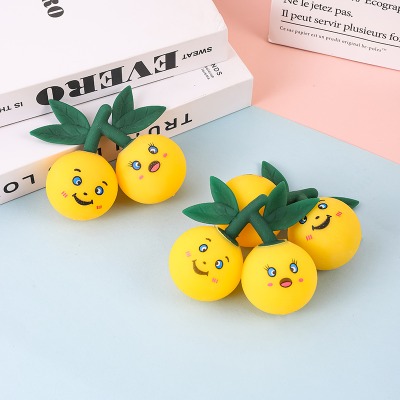
A New Type of Relaxation Tool for Digital Lifestyles
Long hours spent using computers and mobile devices have increased interest in products that encourage physical interaction. A fidget ball creates a simple connection between hand movement and sensory feedback, offering an alternative activity during moments of rest.
Unlike electronic entertainment products, a small decompression ball does not require batteries, screens, or complicated operation. Users only need to hold, squeeze, and release the product to enjoy its tactile response.
- Compact size allows easy placement on desks or inside bags.
- Silent operation makes it suitable for shared environments.
- Simple squeezing movements provide continuous hand interaction.
- Different textures and resistance levels create varied experiences.
The popularity of sensory toys has expanded among different age groups because people are becoming more interested in hands-on experiences that fit into everyday routines.
Soft Materials Create Comfortable Hand Feedback
The material used in a fidget ball directly affects the user experience. A Soft Fidget Decompression Ball typically uses flexible materials such as TPR, silicone, PU foam, or other elastic compounds to achieve softness and shape recovery.
A well-designed material structure allows the ball to compress under hand pressure and gradually return to its original form. This slow rebound effect creates a satisfying sensation that encourages repeated use.
Key Material Characteristics of Fidget Balls
- Elastic recovery: The material should regain its original shape after repeated squeezing.
- Soft surface: A smooth finish improves comfort during long periods of handling.
- Balanced resistance: Proper firmness provides noticeable feedback without excessive pressure.
- Durable structure: The material should maintain appearance and performance after frequent use.
Research on tactile stimulation has shown that softer stress balls may create more comfortable sensations compared with harder versions, highlighting the importance of material softness in user experience.
Why Fidget Balls Fit Modern Break Time Habits
Traditional breaks often involve passive activities such as checking messages or browsing websites. Fidget balls introduce a physical action that allows users to keep their hands occupied while taking a short mental pause.
Common situations where people use fidget balls include:
- Office breaks: Employees may keep a squeeze ball beside keyboards or notebooks for quick interaction.
- Study sessions: Students can use small sensory items during short rest periods.
- Travel time: Lightweight designs are convenient for carrying in pockets or backpacks.
- Home relaxation: Users can place them near sofas, reading areas, or personal workspaces.
The ability to use these products almost anywhere has contributed to their growing acceptance as everyday accessories rather than occasional toys.
Design Innovation Makes Fidget Balls More Attractive
Modern fidget balls are developing beyond simple round shapes. Designers are introducing creative appearances, different textures, and themed styles to improve visual appeal and user engagement.
Popular Fidget Ball Design Trends
- Character designs: Animal faces, cartoon shapes, and playful patterns increase emotional appeal.
- Texture variations: Smooth, bumpy, or patterned surfaces create different touch sensations.
- Color customization: Bright colors and themed combinations attract different user groups.
- Portable formats: Small handheld dimensions make them suitable for daily carrying.
Creative designs help fidget balls become personal accessories rather than simple stress products. Many users choose products based on both performance and appearance.
Technical Details Behind a Reliable Decompression Ball
Although fidget balls look simple, product performance depends on several design factors. Manufacturers usually adjust material formulas, wall thickness, filling structure, and surface treatment to achieve the desired feel.
- Typical size range: approximately 40–80 mm for handheld models.
- Material hardness: commonly adjusted around Shore A 10–40 depending on softness requirements.
- Weight design: lightweight structures improve portability.
- Compression resistance: designed for repeated squeezing actions.
- Surface treatment: helps improve grip and handling comfort.
Different specifications allow products to target different preferences. Some users prefer very soft balls with gentle resistance, while others enjoy firmer designs that provide stronger feedback.
Are Fidget Balls Becoming Part of Workplace Culture?
The appearance of sensory products on office desks reflects a change in how people view workplace comfort. Small accessories that provide interaction, decoration, and personal expression are becoming more common in modern work environments.
Many professionals prefer quiet tools that can fit naturally into meetings, computer work, or creative activities. Compared with larger relaxation products, fidget balls require minimal space and create little disturbance.
- Suitable for personal desks and shared workspaces.
- Easy to store and carry between locations.
- Provides a simple physical activity during short pauses.
The Future of Fidget Ball Development
The next stage of fidget ball design is likely to focus on combining appearance, material technology, and personalized experiences. Users are looking for products that feel unique while matching their lifestyle needs.
- More customized shapes and character-based designs.
- Advanced textures for richer sensory feedback.
- Different resistance options for various preferences.
- Combination products that merge decoration and interaction.
From office desks to travel bags, fidget balls are becoming small but meaningful companions in daily routines. The rise of the Soft Fidget Decompression Ball shows how a simple squeeze action can evolve into a modern sensory experience that matches the changing habits of today’s users.
 +86-159 8313 8795
 No. 188, Weisi Road, Licun Village, Xiaoshun Town, Jindong District, Jinhua, Zhejiang, China