

 English
 中文简体
中文简体
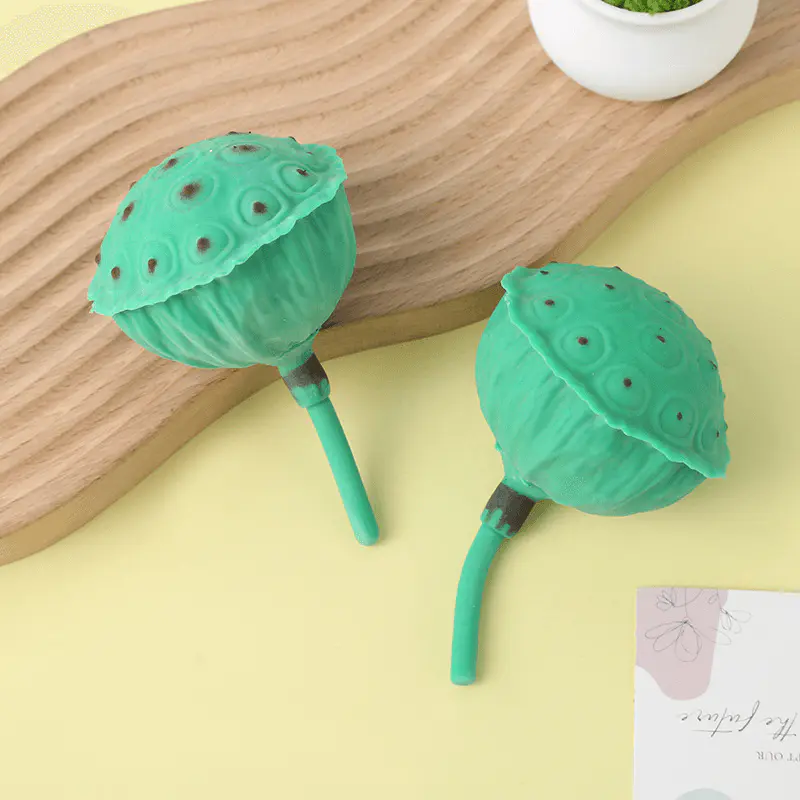
Sand filled squishy toys have grown in popularity as both stress-relief tools and playful collectibles. Combining tactile satisfaction with creative design, these toys offer a unique experience that differs from traditional squishy toys. But what exactly makes sand filled squishy toys so appealing?
Unique Texture and Tactile Experience
One of the primary attractions of sand filled squishy toys is their distinctive texture. Unlike foam or gel-based squishies, the addition of sand provides a slightly grainy, malleable feel. This texture allows users to knead, squeeze, or mold the toy in ways that offer satisfying resistance without being harsh on the hands. The combination of softness and subtle granular sensation can make stress relief more engaging, as the toy responds differently depending on how it is manipulated.
This tactile experience can also enhance creativity. Children and adults alike enjoy experimenting with shapes and patterns, and the sand-filled design adds an extra layer of sensory interaction that foam toys alone may not provide.
Durability and Shape Retention
Another feature that makes sand filled squishy toys attractive is their durability. While traditional foam squishies may slowly lose shape after repeated use, the sand inside provides internal support, helping the toy maintain its structure. This feature ensures that the toy continues to feel satisfying even after extensive handling.
Many sand filled squishies are made with flexible and resilient outer materials, allowing them to endure frequent squeezing or stretching without tearing. This combination of internal sand and durable skin contributes to the toy's long-lasting appeal.
Versatile Designs and Visual Appeal
Sand filled squishy toys come in a wide range of designs, shapes, and colors. From animals and food items to abstract shapes, the possibilities are nearly endless. The sand can sometimes create subtle visual effects when the toy is squeezed, such as slight shifts in color or texture, enhancing the play experience.
This visual diversity makes these toys attractive for collectors or as decorative items. Some designs also incorporate clear sections, allowing users to see the sand move inside, which adds an extra layer of fascination and interaction.
Stress Relief and Therapeutic Benefits
A major reason people are drawn to sand filled squishy toys is their stress-relief potential. The act of squeezing and kneading helps release tension and can improve focus. Occupational therapists sometimes recommend similar tactile toys to help with sensory processing or hand-strength exercises. The sand inside provides a unique resistance level that is satisfying but not overly firm, making these toys suitable for both adults and children.
Beyond stress relief, the sensory feedback can be calming for those who benefit from tactile stimulation. The combination of touch, visual cues, and mild resistance makes sand filled squishies more than just playful gadgets—they can also be tools for relaxation and mindfulness.
Portability and Convenience
Finally, sand filled squishy toys are generally compact and easy to carry. They fit comfortably in bags, desks, or pockets, making them accessible whenever a user needs a quick stress break or a moment of fun. Their reusable nature also means they can be enjoyed repeatedly without creating waste or requiring replacement materials.
Sand filled squishy toys are attractive because of their unique texture, durability, versatile designs, stress-relief benefits, and convenience. They provide a tactile and visual experience that sets them apart from other squishy toys while also serving functional purposes such as relaxation or sensory engagement. Whether for children, adults, or collectors, these toys offer a combination of play and practicality that explains their growing popularity in homes and classrooms alike.
 +86-159 8313 8795
 No. 188, Weisi Road, Licun Village, Xiaoshun Town, Jindong District, Jinhua, Zhejiang, China