

 English
 中文简体
中文简体
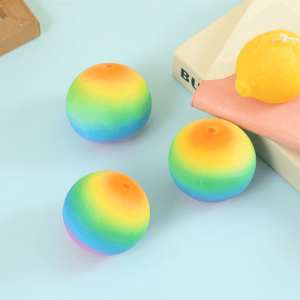
Stress balls have become common tools for relaxation, concentration, and even hand exercise. Among various types, flour filled stress balls are appreciated for their simple design, satisfying texture, and affordability. Behind these small but effective products, a Flour Filled Stress Ball Factory plays a key role in turning raw materials into safe, consistent, and durable stress-relief tools.
The Role of a Flour Filled Stress Ball Factory
A Flour Filled Stress Ball Factory does much more than just fill a small pouch with flour. The factory manages the full production chain—from material selection to assembly and quality inspection. Safety, usability, and consistency are top priorities, especially since stress balls are handled by children and adults alike.
Factories also focus on the feel of the product. Each stress ball must have uniform weight, firmness, and elasticity. Inconsistent texture can affect the user’s experience, so production steps are carefully monitored to maintain uniformity across large batches.
Choosing Materials Carefully
Material selection is a critical step in a Flour Filled Stress Ball Factory. The outer layer is typically made from soft, flexible, and non-toxic materials such as PVC, TPR, or silicone. The filling, usually wheat flour or other grain-based powder, must be clean, dry, and free of contaminants.
Safety testing is an integral part of the process. The factory evaluates seam strength, elasticity, and filler retention. These checks prevent the stress balls from bursting, leaking, or losing shape during use. A well-made flour filled stress ball should maintain its performance even after repeated squeezing.
Production Process from Start to Finish
Production generally begins with molding or cutting the outer casing. The flour filling is then measured carefully to ensure consistent weight and feel. Filling can be semi-automated or done manually, depending on the scale of production. After filling, the opening is securely sealed using heat sealing, ultrasonic welding, or strong adhesives.
Post-assembly, stress balls are inspected for shape, weight, and surface quality. Any products with weak seams, uneven filling, or deformities are removed. This quality control step ensures that customers receive reliable and safe products.
Customization for Various Needs
Many Flour Filled Stress Ball Factories offer customization to meet market or client needs. Logos, colors, shapes, and even thematic designs for holidays, sports events, or promotional campaigns can be produced. Some factories also adjust fill density or material thickness to create softer or firmer stress balls according to user preference.
Customization not only improves visual appeal but also enhances the functional experience. Businesses and distributors often value these options when designing branded products for giveaways or educational purposes.
Ongoing Quality Checks and Packaging
Quality control continues throughout the production and packaging process. Visual inspection, weight verification, and stress testing help maintain consistency and durability. Packaging is designed to protect the product during shipping while keeping it attractive for buyers. Some factories provide storage guidelines to maintain shape and texture during transit.
A Flour Filled Stress Ball Factory combines careful material selection, precise filling, and thorough quality checks to produce reliable stress-relief tools. From the outer casing to the final seal, each step affects the product’s durability, safety, and tactile feel. For buyers, distributors, and end-users, understanding the factory’s process helps ensure that these simple tools deliver consistent comfort and fun, whether for relaxation, focus, or light exercise.
 +86-159 8313 8795
 No. 188, Weisi Road, Licun Village, Xiaoshun Town, Jindong District, Jinhua, Zhejiang, China