

 English
 中文简体
中文简体
Squishy products are moving beyond the traditional image of simple stress-relief tools. Across social media, retail shelves, and personal workspaces, soft squeeze products are increasingly treated as small collectibles that deserve to be displayed rather than hidden inside a drawer. This shift gives stress ball squishy toys a new role: part sensory gadget, part desk accessory, and part collectible item.
Recent U.S. toy-market data supports this change. Circana reported triple-digit growth for squishy toys during the first four months of 2026, while adult consumers accounted for 35% of overall toy-industry growth. Social discovery and collectible-oriented products are helping sensory toys reach audiences beyond traditional children's products.
From Stress Tool to Display Piece
Traditional stress balls were usually designed around function. A round shape, compact size, and soft surface were enough to create a basic squeezing experience. Newer stress ball squishy toys are taking a different approach by adding visual character.
- Food-inspired shapes: Dumplings, buns, fruit, desserts, and other recognizable forms create an immediate visual connection.
- Animal and character designs: Cute figures give users a reason to display several styles together.
- Color variations: Different colors and finishes can turn the same basic shape into a small series.
- Special textures: Glossy surfaces, soft-touch finishes, slow-rise foam, or elastic TPR provide different tactile experiences.
Such features change the purchase motivation. A buyer may initially want something to squeeze, then become interested in collecting different shapes, colors, or textures.
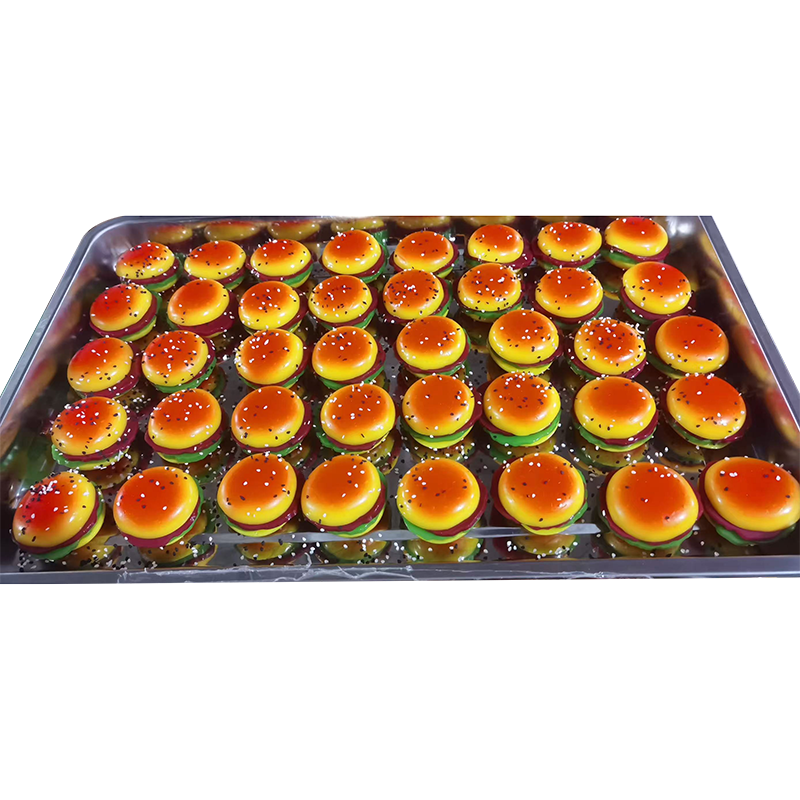
Why Collectibility Matters
Collectible products rely on more than physical function. They create visual variety and encourage users to compare, display, photograph, and share different versions. Social media has strengthened this behavior, with squishy unboxing, collection tours, and squeeze demonstrations becoming easy content formats. Recent coverage has highlighted creators building large audiences around squishy collections and related videos.
Some products also benefit from limited designs, seasonal releases, unusual shapes, or blind-packaging concepts. These elements can make a small desk accessory feel closer to a hobby item than a disposable promotional gadget.
Desk Size Supports the Trend
Physical dimensions also matter. Many squeeze toys are compact enough to sit beside a keyboard, monitor, notebook, or lamp without occupying significant workspace. A product around 7–9 cm wide can provide a palm-friendly format while remaining easy to display. Current retail examples include TPR squeeze toys measuring roughly 8.5 cm across, combining desktop use with collectible packaging.
This compact format creates an interesting balance: the product can be handled frequently but still function as part of a personal desk setup.
Material Creates Part of the Collecting Experience
Material selection influences how a squishy toy feels and how its design behaves during repeated squeezing. PU foam is commonly associated with slow-rise products, while TPR provides elastic deformation and a more immediate rebound. Silicone can offer another tactile profile and is frequently used for reusable sensory products.
- PU foam: Suitable for slow-rise designs with detailed molded shapes.
- TPR: Offers flexible, elastic squeezing and works well with playful character forms.
- Silicone: Provides a distinct soft-touch experience and supports many reusable sensory formats.
Material therefore becomes part of the product identity rather than simply a manufacturing consideration.
Could the Desk Become the New Display Shelf?
The growing popularity of squishy toys suggests that the desk itself is becoming a small display environment. Users can keep several designs within reach, rotate seasonal characters, or match colors with their workspace. This behavior blends decoration with tactile interaction.
For brands developing stress ball squishy toys, the opportunity goes beyond making another soft ball. Shape language, tactile response, packaging, collectible variations, and desktop appearance can work together to create a product that people want to squeeze and display.
The category is still evolving. Yet the direction is becoming clearer: squishy products are no longer defined only by the moment they are squeezed. Their shape, texture, visual personality, and collectible appeal can become equally important parts of the user experience.
 +86-159 8313 8795
 No. 188, Weisi Road, Licun Village, Xiaoshun Town, Jindong District, Jinhua, Zhejiang, China