

 English
 中文简体
中文简体
Brand merchandise has traditionally relied on printed logos, colors, and slogans to create recognition. Custom squeeze toys introduce another layer: touch. Instead of simply looking at a brand mark, users can hold, press, bend, and interact with a physical object that carries the identity of a company, product, mascot, or campaign.
This shift is particularly interesting within promotional merchandise. Current promotional catalogs include hundreds of squeeze toys in foam, polyurethane, plush, and gel-filled formats, with shapes ranging from conventional balls to sports objects, food designs, characters, and industry-related forms.
Logo Printing Is Only Part of the Product
A printed logo remains useful, but the physical shape can communicate additional information. A logistics company could use a miniature truck, an outdoor brand could adopt a camping-related form, while a technology company might create a geometric character that reflects its visual identity.
- Shape: Product silhouettes can represent an industry, mascot, service, or campaign theme.
- Color: Custom body colors can follow corporate brand guidelines or seasonal campaign palettes.
- Logo placement: Flat or gently curved surfaces can provide dedicated areas for printed artwork.
- Packaging: Individual bags, boxes, header cards, and custom labels can extend the visual identity beyond the toy itself.
Some promotional suppliers already offer custom shapes based on products, packaging, vehicles, animals, and other recognizable objects. This approach turns the merchandise itself into part of the brand message rather than using the logo as a decoration added afterward.
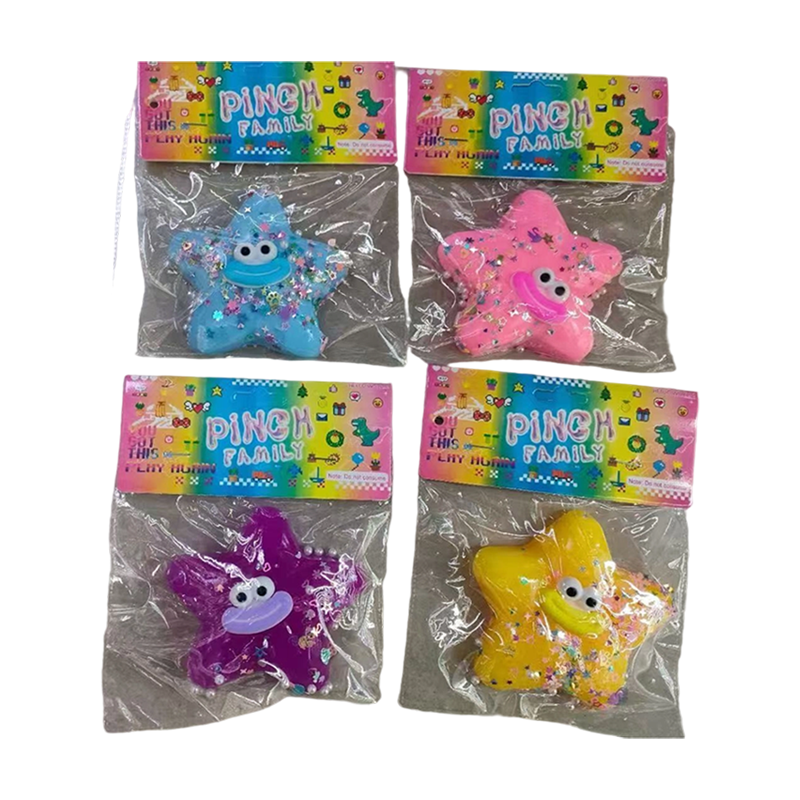
Touch Adds Another Brand Signal
Visual recognition happens quickly, but tactile interaction creates a different type of product experience. A person receiving custom squeeze toys may immediately test the softness, rebound, surface texture, or deformation behavior.
That physical response depends heavily on material and geometry. Polyurethane foam is widely used in promotional squeeze products, while TPR and other soft materials can create different rebound characteristics. Some custom manufacturers also evaluate squeeze resistance as part of product development because the same shape can feel very different after material or wall-thickness changes.
Small Changes Can Alter the Feel
- Soft foam: Suitable for products designed around gentle compression and slower recovery.
- Elastic materials: Useful for designs requiring faster rebound after squeezing.
- Different wall thicknesses: Can change compression resistance within the same general shape.
- Surface finishes: Smooth, matte, textured, or printed surfaces can produce different hand sensations.
Such details matter because tactile quality becomes part of how recipients remember the merchandise.
How Much Logo Space Is Actually Available?
Custom designs also create a practical branding challenge. A three-dimensional squeeze toy rarely offers the same uninterrupted printing area as a flat promotional card.
Standard round stress balls can provide relatively simple imprint zones. One current promotional example lists a printing area of approximately 1.5 × 1 inches on a 2.75-inch foam ball, showing how limited branding space can become on a small curved product.
That limitation encourages designers to simplify artwork. Short brand names, recognizable symbols, bold shapes, and high-contrast graphics generally translate more clearly onto small squeeze products than complicated illustrations.
From Promotional Item to Brand Character
Custom squeeze toys become particularly interesting after the design moves beyond a standard ball. A mascot, product replica, animal figure, food shape, or miniature industry object can create a stronger connection between the physical merchandise and the company identity.
Custom manufacturers already offer fully developed squeeze-toy designs based on characters and original artwork, including regular and slow-release formats. Some projects also use custom molds to reproduce a specific shape rather than relying solely on stock products.
What Makes the Concept Stand Out?
The appeal of custom squeeze toys comes from combining several product elements into a single object:
- A recognizable visual shape
- A defined tactile response
- Brand-specific colors and artwork
- Compact dimensions suited to desks, event bags, or promotional kits
- Packaging that reinforces the campaign theme
The result is more than a logo printed on merchandise. It becomes a physical brand interaction that users can hold and experience. As promotional products continue moving toward novelty, personalization, and sensory engagement, custom squeeze toys offer brands another way to make their identity tangible.
 +86-159 8313 8795
 No. 188, Weisi Road, Licun Village, Xiaoshun Town, Jindong District, Jinhua, Zhejiang, China