
 English
 中文简体
中文简体
Promotional giveaways often have a short moment of attention. Recipients pick them up at trade shows, conferences, wellness events, or company activities, then decide whether the item deserves space on a desk or inside a bag. This makes product design particularly important. Promotional stress relief products have an interesting advantage because they combine a small physical footprint with an interactive function, yet not every stress-relief item receives the same level of continued use.
Current promotional catalogs contain hundreds of stress balls, squeeze figures, fidget toys, gel products, and themed designs. Product dimensions, shape, material, and visual character can influence whether a giveaway becomes a desk companion or simply disappears into a drawer.
Shape Can Change the Fate of a Giveaway
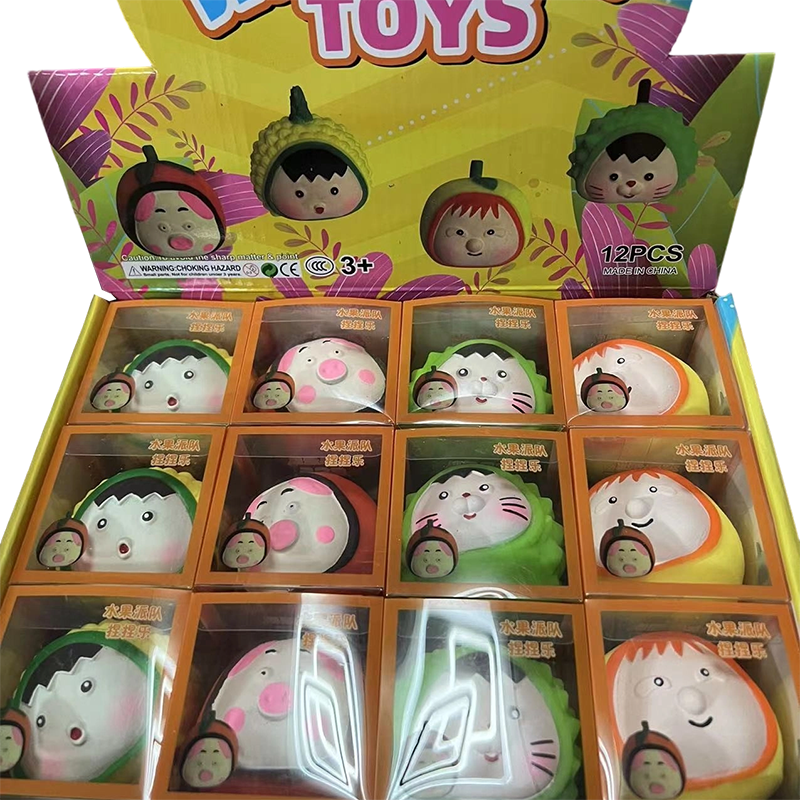
Round stress balls remain familiar, but unusual shapes can give promotional merchandise a stronger connection with its audience. Current product ranges include animals, food, sports objects, medical shapes, tools, and office-related designs. Such variations allow the physical product to communicate a theme before the recipient even reads the logo.
- Industry shapes: Tools, vehicles, computers, and medical forms can match professional audiences.
- Food-inspired designs: Coffee cups, fruit, desserts, and snacks create a playful visual connection.
- Animal figures: Compact animal shapes can work well with education, healthcare, pet, or family-oriented campaigns.
- Classic spheres: Simple round forms provide broad branding space and easy distribution.
Shape also affects storage. A compact figure that sits securely beside a monitor may receive more attention than a ball that repeatedly rolls away from the user.
Desk Compatibility Matters More Than Expected
Many promotional stress products eventually find their way onto desks. Size therefore becomes part of the user experience. A compact product around 5–8 cm can remain visible without occupying much working space, while larger novelty shapes may become display objects rather than frequently handled items.
Promotional suppliers currently offer products ranging from small squeeze balls to larger character-shaped items. Some standard stress balls measure around 2.75 inches in diameter, creating a palm-sized format suitable for event distribution and desk storage.
Small Details Can Influence Daily Use
- Stable base: Helps shaped products remain upright instead of rolling across the desk.
- Palm-friendly dimensions: Provides enough surface area for repeated squeezing.
- Moderate compression: Makes the product easier to handle across different hand sizes.
- Visible imprint area: Keeps the promotional message recognizable after repeated handling.
Touch Is Part of the Keep-or-Discard Decision
Visual novelty can attract attention, but tactile response determines part of the interaction after the initial impression. Foam, TPR, gel-filled construction, and plush materials can create distinctly different squeeze experiences.
Classic foam stress balls offer compressibility and quick recovery, while slow-rise foam creates a delayed return that adds another sensory element. Gel-filled designs can provide a softer, fluid-like sensation. Current promotional collections also include TPE massage balls, plush-and-gel stress products, and fidget combinations, showing how broad the category has become.
Such variety gives buyers more room to match product feel with campaign personality. A healthcare campaign may favor a soft and approachable design, while a technology event could use a compact fidget-style product with multiple tactile actions.
Does the Product Need More Than Squeezing?
Another emerging direction is multifunctionality. Some promotional stress relief products now combine squeezing with clicking, spinning, magnetic movement, or other simple interactions.
Current promotional ranges include two-in-one key tags with stress-relief functions, magnetic fidget products, push-pop designs, and multi-function sensory gadgets. These formats give recipients more than a single repetitive action and can make the product relevant across different situations.
- Squeeze + key tag: Adds portability to the basic stress-relief function.
- Push-pop formats: Provide repetitive tactile interaction beyond compression.
- Fidget combinations: Introduce several hand movements within one compact item.
Useful Does Not Have to Mean Ordinary
The strongest promotional concept does not necessarily need a complicated structure. A recognizable shape, comfortable texture, suitable dimensions, and clear branding can already give a stress-relief product a distinct identity.
Recent industry content points to the same product logic: branded stress relievers are commonly used across trade shows, employee programs, healthcare campaigns, schools, and community events because they are lightweight, easy to distribute, and simple to understand.
The real question behind promotional stress relief products is therefore not simply whether recipients accept the giveaway. It is whether the object fits naturally into their environment after the event ends. Products that combine tactile appeal, recognizable design, practical dimensions, and a clear connection with the campaign have a stronger chance of becoming something people actually keep.
 +86-159 8313 8795
 No. 188, Weisi Road, Licun Village, Xiaoshun Town, Jindong District, Jinhua, Zhejiang, China