

 English
 中文简体
中文简体
Fruit Stress Relief Squeeze toys have become popular among users looking for simple ways to release tension through tactile interaction. Their colorful fruit shapes, soft surfaces, and satisfying squeezing response make them common desk accessories and sensory companions. However, after weeks or months of use, some users notice changes such as unusual odors, surface residue, or a different hand feeling.
These changes raise an important question: does a squeeze toy naturally release odor or leave material residue after long-term use? The answer depends on several factors, including material formulation, storage environment, surface aging, and product structure. A Fruit Stress Relief Squeeze toy needs stable materials and proper processing to maintain its original texture during repeated daily interaction.
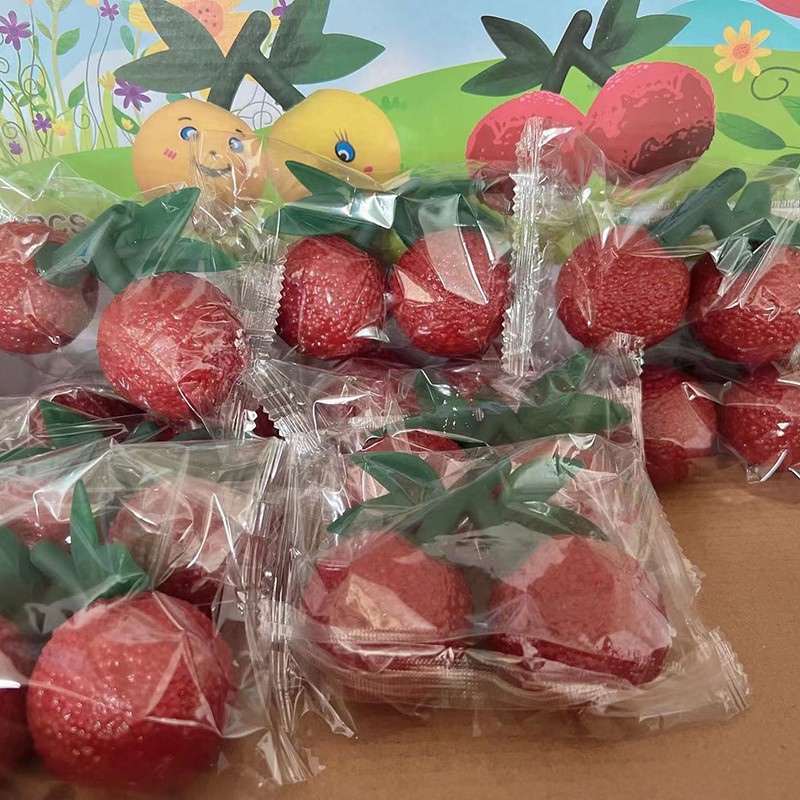
1. Why some squeeze toys develop an unusual smell
New soft toys may have a slight manufacturing smell after being removed from packaging. This is often related to volatile substances remaining after molding, packaging, or material processing. Research on squishy toys has examined emissions from organic compounds and found that some products can release measurable volatile substances after unpacking.
The intensity of odor depends on multiple elements:
- Material composition – different polymers and additives have different odor characteristics.
- Manufacturing residues – incomplete removal of processing substances may influence initial smell.
- Storage conditions – sealed packaging can trap odors until the product is opened.
A mild smell after opening does not always indicate a dangerous problem. However, a strong chemical odor that remains for a long period may suggest poor material control or excessive residual substances.
2. Material structure affects odor retention
Fruit-shaped squeeze toys can use various soft materials, including TPR, PU foam, silicone blends, or gel-filled structures. Each material has different surface characteristics and aging behavior.
- TPR materials provide flexible rubber-like performance and are commonly used for soft tactile products.
- PU foam structures create slow-rebound sensations but may retain odors differently because of their cellular structure.
- Gel-filled designs rely on an outer layer to contain internal filling materials.
The internal structure determines how easily substances remain inside the toy or move toward the surface. A dense, stable outer layer generally provides better surface consistency during long-term handling.
3. What causes sticky residue on squeeze toy surfaces?
Material residue is one of the most common complaints among squeeze toy users. The sticky feeling usually comes from surface changes rather than the material suddenly breaking down.
Several factors can contribute to this condition:
- Additive migration – softening ingredients may gradually move toward the surface over time.
- Dust accumulation – slightly tacky surfaces attract particles more easily.
- Skin oil transfer – repeated touching introduces natural oils and moisture.
User discussions about squeeze toys often mention that some products become slightly sticky after frequent handling, while cleaning can improve the surface feeling.
4. Repeated squeezing changes the surface over time
A stress relief toy experiences continuous mechanical movement. Every squeeze stretches and compresses the outer layer. Although flexible materials are designed for deformation, repeated cycles may gradually influence surface performance.
Common long-term changes include:
- Reduced smoothness – the surface may feel different compared with a new product.
- Texture changes – frequent compression can affect the outer appearance.
- Slight odor increase – aging materials may release small amounts of trapped compounds.
These changes usually happen gradually. The speed depends on usage frequency, material quality, and surrounding conditions.
5. Temperature and sunlight accelerate material aging
Storage conditions play an important role in maintaining squeeze toy performance. Soft polymer materials are sensitive to heat and prolonged environmental exposure.
- High temperatures can increase material softness and accelerate additive movement.
- Direct sunlight may affect color stability and surface condition.
- Closed humid environments can increase odor retention.
Keeping squeeze toys away from heat sources helps maintain their original feel. Some safety reports also warn that heating squishy toys, especially gel-filled products, can create serious hazards because internal materials may expand or rupture.
6. Are odor and residue signs of unsafe products?
Odor or surface changes should be evaluated carefully rather than judged immediately. A slight manufacturing smell may disappear after ventilation, while persistent strong odors or unusual residue deserve more attention.
Users can observe several indicators:
- Temporary packaging smell – often reduces after opening and airing.
- Persistent chemical odor – may indicate excessive residual substances.
- Visible leakage or unknown residue – requires stopping use and checking the product condition.
Consumer testing has highlighted that some squishy products can create problems after breaking open, especially those containing gel fillings. Proper material testing and responsible use remain important for sensory products.
7. Simple methods to maintain a cleaner squeeze toy surface
Regular care can help reduce residue buildup and maintain a comfortable hand feel.
- Wipe the surface with mild soap and water when needed.
- Allow the toy to dry completely before storage.
- Avoid strong cleaners that may damage soft materials.
- Keep the toy away from dust, heat, and direct sunlight.
Cleaning routines are especially useful for fruit-shaped designs because textured surfaces and decorative details can collect more dust than simple shapes.
8. Design factors that improve long-term user experience
A well-designed squeeze toy requires more than an attractive appearance. Material stability, surface treatment, and structural balance all influence how the product feels after months of use.
- Stable polymer selection helps reduce unwanted surface changes.
- Controlled softness provides comfort without excessive tackiness.
- Reliable sealing methods protect users from internal material exposure.
Understanding long-term changes in fruit squeeze toys
Creative squeeze toys may experience odor or material residue changes after extended use, but these effects are influenced by material quality, environment, and product design. A Fruit Stress Relief Squeeze product with stable materials and proper construction can maintain a pleasant tactile experience for a longer period.
Users who understand the causes behind odor and surface changes can better care for their sensory toys and identify unusual conditions early. The combination of safe materials, thoughtful design, and proper maintenance determines whether a squeeze toy remains enjoyable throughout daily use.
 +86-159 8313 8795
 No. 188, Weisi Road, Licun Village, Xiaoshun Town, Jindong District, Jinhua, Zhejiang, China