

 English
 中文简体
中文简体
Maltose Stress Ball Factory are small handheld objects designed for squeezing and light manipulation. They are usually soft, flexible, and shaped to fit naturally in the palm. The maltose-related structure is often associated with a smooth internal feel that responds slowly to pressure. This gives the object a steady, almost fluid movement when handled.
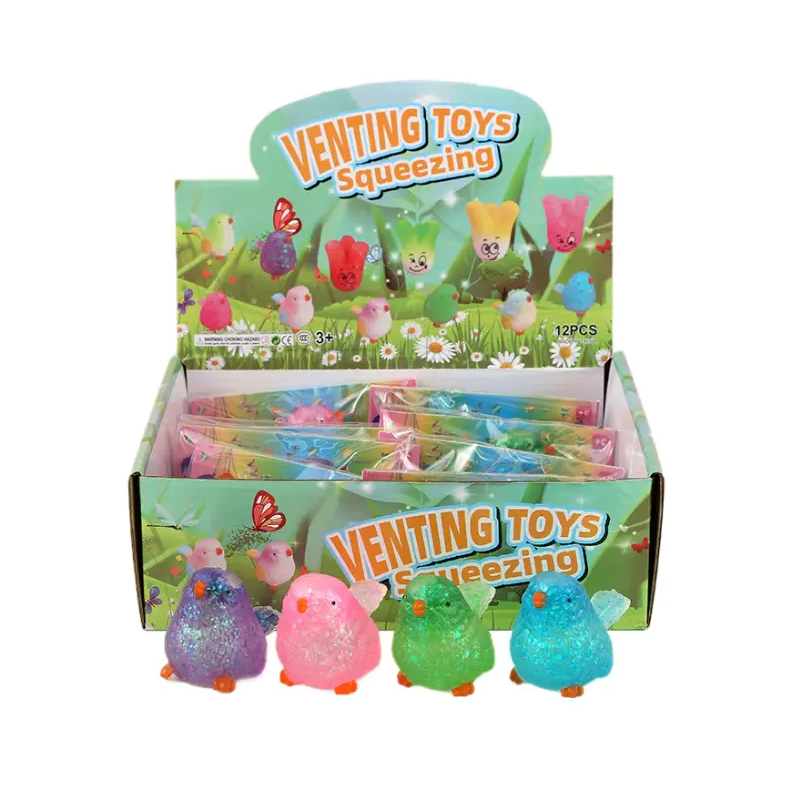
Over time, these items have moved beyond novelty use. They now appear in many everyday spaces where people interact with tools that support comfort, attention, or simple hand activity. Their applications are varied, and they often depend on the environment rather than a fixed function.
What Makes Maltose Stress Balls Different from Other Handheld Stress Tools?
At first glance, a maltose stress ball looks a lot like other squeeze toys. The real difference shows up when you actually press it. The resistance feels gradual and soft instead of sharp or stiff. It slowly gives way like pressing into a gentle gel, then eases back into shape.
This slower response changes how you use it. Most people end up squeezing it in a calm, steady rhythm instead of quick repetitive squeezes. It turns into a more relaxing experience rather than just a fast hand motion.
The surface texture also stands out. It's smooth with a slight elastic feel that stays comfortable even when held for a long time. There's nothing complicated about it — you just pick it up and instantly understand how it works by touch.
These characteristics are why maltose stress balls show up in all sorts of places, from quiet indoor spots to crowded public areas.
How Are They Used in Everyday Work Environments?
Workplaces are one of the most common settings where maltose stress balls are found. The modern work environment often involves long sitting hours, screen focus, and repetitive mental tasks. In such conditions, small physical objects can help create brief moments of release.
They are usually placed on desks or shared tables. People pick them up during thinking pauses or while reading documents. The movement is subtle and does not interrupt work flow.
Some users keep them nearby during meetings. Holding or lightly squeezing the object can help maintain attention without drawing focus away from the conversation. It becomes a background action rather than a main activity.
In shared office spaces, they are sometimes placed in open areas where employees can use them freely. There is no formal rule around their use, which makes them easy to integrate into daily routines.
Typical workplace usage patterns:
| Work Situation | How the Object Is Used |
|---|---|
| Desk tasks | Light squeezing during thinking |
| Meetings | Quiet hand movement while listening |
| Short breaks | Relaxed handling between tasks |
| Reception areas | Idle use during waiting periods |
The presence of such tools reflects a growing interest in small, non-intrusive ways to support comfort during work.
Can They Be Found in Learning and Study Spaces?
Educational settings often require extended focus and mental stamina. In these spaces, maltose stress balls are sometimes made available as a quiet, optional tool for students who stay more engaged when their hands have a gentle activity.
You'll commonly see them resting on desks during reading, problem-solving, or note-reviewing sessions. The purpose is never to distract, but to offer the hands a soft, repetitive outlet that actually supports concentration.
Many people focus better when their hands are lightly occupied. The slow, steady squeeze and return of the maltose ball often helps them stay with the task for longer stretches without drawing attention away from their work.
Teachers sometimes allow them during group discussions or quiet independent assignments. When used this way, the stress ball remains in the background — subtle support rather than the center of attention.
Common ways they appear in learning spaces:
- Held lightly during reading sessions
- Used while reviewing notes
- Kept on the desk during independent work
- Shared quietly in group study settings
Their role is understated. They don't change the learning process itself — they simply sit alongside it as a small physical aid.
Why Are They Used in Sensory and Rehabilitation Settings?
In sensory-focused environments, maltose stress balls are appreciated for their gentle and responsive feel. The soft material makes them easy to squeeze repeatedly without needing strong force, which makes them ideal for gradual hand exercises and movement routines.
They are frequently used to help with coordination, grip awareness, and controlled motion. The slow, predictable return of the ball provides steady tactile feedback that many find useful during therapy.
They can also act as a simple grounding object. Holding something soft and responsive often helps people feel more settled and present when they're feeling restless or overwhelmed.
You'll regularly find them in therapy rooms, home care settings, and quiet recovery areas. Their biggest advantage is how straightforward they are — no setup, no instructions, just a ready-to-use object.
A general view of application areas:
| Setting | Typical Use |
|---|---|
| Therapy rooms | Gentle hand movement |
| Sensory spaces | Tactile grounding |
| Recovery areas | Repetitive motion support |
| Home care | Daily hand activity |
Their role is supportive rather than structured. They exist as optional tools that can be used when needed.
How Do They Appear in Retail and Service Environments?
Retail and service spaces often rely on small details to shape customer experience. Maltose stress balls sometimes appear in these environments as interactive objects placed near counters or waiting areas.
Customers may pick them up while waiting for service. The soft texture makes them easy to handle without explanation. This creates a casual form of engagement that can make waiting feel less rigid.
In some retail layouts, they are placed alongside other tactile items to encourage exploration. People naturally interact with objects they can touch, even without intention to purchase.
They are also used in reception areas where visitors may experience short waiting times. The presence of something to hold can change how that time feels.
Common placements include:
- Service counters for casual interaction
- Waiting areas in clinics or offices
- Product display tables
- Customer reception desks
Their role is not promotional in a direct sense. It is more about shaping the physical experience of the space.
Are They Used in Events or Public Gatherings?
Events often involve large groups of people moving through shared spaces. In these settings, maltose stress balls are sometimes distributed as simple interactive items.
They are easy to carry and require no explanation. People can hold them during the event and continue using them afterward.
At exhibition booths, they may be placed on tables where visitors are encouraged to pick them up. This creates a brief moment of interaction that helps people engage with the space.
They also appear in community gatherings or informational campaigns where tactile items help create a physical connection to the environment.
Typical event-related uses:
| Event Type | Interaction Style |
|---|---|
| Exhibitions | Handheld engagement items |
| Public campaigns | Casual distribution tools |
| Community events | Shared activity tables |
| Information booths | Short interaction objects |
The focus is on engagement rather than message delivery. The object becomes part of the physical experience.
How Do They Fit Into Home and Personal Use?
At home, maltose stress balls often become part of everyday surroundings. They may sit on desks, coffee tables, or bedside areas, ready for occasional use.
People use them while reading, watching content, or making phone calls. The movement is small and does not require attention, which allows it to blend into other activities.
Some individuals use them during moments of reflection or when thinking through tasks. The repeated squeezing motion becomes a quiet background action.
They are also commonly used in home office setups. During remote work, they can sit next to keyboards or notebooks as an optional tool for short pauses.
Common home interactions:
- Holding during phone conversations
- Squeezing while reading or watching media
- Using during short rest moments
- Keeping on desks for light interaction
Their use at home is flexible. There is no fixed pattern, only personal preference.
What Role Does Texture Play in Their Daily Use?
The tactile feel of maltose stress balls is central to how they are used. The material response is slow, which creates a steady resistance when pressed.
This slow movement changes the rhythm of interaction. Instead of quick action, users tend to move at a consistent pace. The hand becomes engaged in a repetitive pattern that does not require effortful thinking.
The surface is usually smooth, which makes it comfortable to hold for longer periods. There is no sharp edge or sudden rebound.
Key tactile characteristics:
- Slow compression under pressure
- Gradual return to original shape
- Soft and smooth surface contact
- Consistent response across repeated use
This combination of features makes the object adaptable. It does not demand attention, yet it remains present in the hand.
Why Do These Objects Appear Across So Many Different Settings?
Maltose stress balls are not tied to one specific industry or environment. Their use spreads across workspaces, schools, homes, and public areas because they do not require instruction or adaptation.
They function in the background of daily activity. Whether someone is working, studying, waiting, or resting, the object can be used in a similar way.
This flexibility is part of why they are often chosen for environments that need simple, non-disruptive tools. They do not change the structure of an activity. They simply sit alongside it, offering a physical option when needed.
Their presence in so many different settings shows a broader trend toward small, tactile objects that fit naturally into everyday routines without drawing attention to themselves.
 +86-159 8313 8795
 No. 188, Weisi Road, Licun Village, Xiaoshun Town, Jindong District, Jinhua, Zhejiang, China