

 English
 中文简体
中文简体
The appeal of Plastic Stress-relief Squeeze Toys is not simply about softness. A satisfying squeeze comes from the interaction between material elasticity, compression resistance, surface texture, shape, and rebound speed. Small changes in these characteristics can create completely different sensations under the fingers.
Current squeeze-toy products use materials such as TPR, PU foam, silicone, and other soft polymers. Each material responds differently to pressure. TPR tends to provide elastic resistance and quick recovery, while PU foam can create a slower, softer compression experience.
Material Sets the Basic Hand Feel
Material acts as the foundation of the squeezing experience. Two toys with similar shapes may feel surprisingly different because their internal structures and material properties are not the same.
- TPR: Provides flexible deformation, elastic resistance, and relatively quick shape recovery.
- PU foam: Creates a lightweight, sponge-like sensation and can support slow-rise designs.
- Silicone: Offers a smooth, soft-touch surface with flexible deformation.
- Gel-filled structures: Create a fluid-like sensation as the filling shifts under pressure.
TPR is particularly interesting because its rubber-like elasticity can be combined with plastic processing and detailed molding. Current TPR squeeze products are available in compact formats designed around quick recovery and repeated deformation.
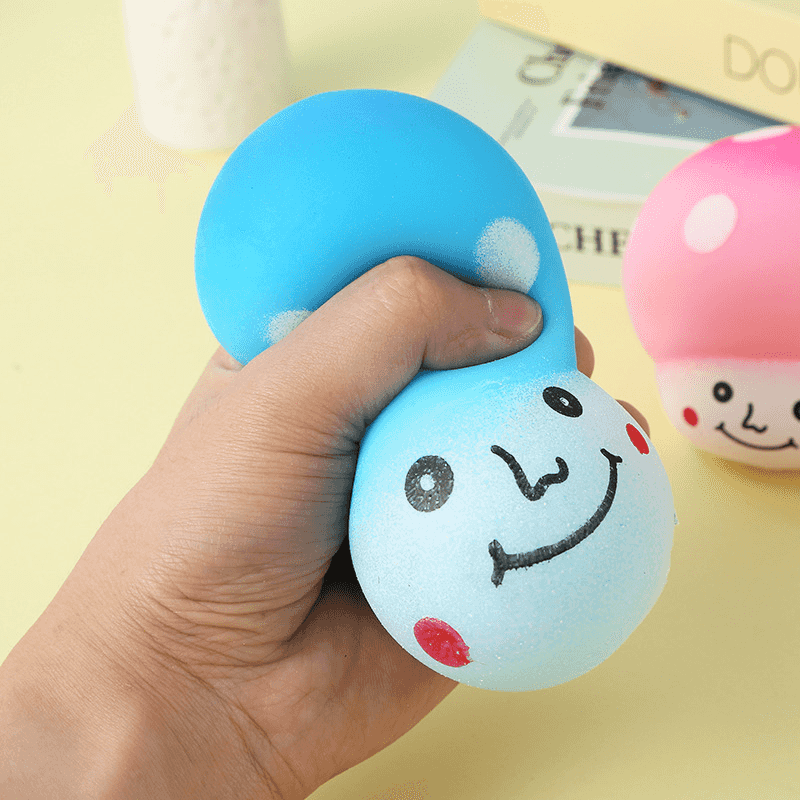
Rebound Speed Changes the Rhythm
Rebound is another major part of tactile satisfaction. A toy that returns almost immediately after compression creates a different rhythm from a slow-rise squishy that takes several seconds to regain its shape.
Slow-rise PU products can remain compressed briefly before gradually returning to their original form. Some commercial squishies specify rebound periods of several seconds, while TPR designs generally emphasize elastic recovery.
Fast or Slow: Two Different Experiences
- Quick rebound: Creates an energetic squeeze-and-release rhythm and works well with repeated hand movements.
- Slow rebound: Gives users more time to observe the shape gradually returning.
- Moderate rebound: Balances compression resistance with a controlled recovery motion.
This difference explains why some people prefer elastic TPR products while others enjoy the delayed response of PU foam squishies.
Compression Resistance Matters Too
Softness alone does not determine whether a squeeze feels good. Too little resistance can make the toy feel empty, while excessive resistance can make repeated squeezing uncomfortable.
Shape and wall thickness also influence compression. A compact TPR toy with an internal filling can require noticeably different hand pressure compared with a porous PU foam figure of similar dimensions. Product developers therefore consider material hardness, geometry, fill type, and size together rather than treating softness as an isolated specification.
Texture Adds Another Sensory Layer
Surface texture can make a simple squeeze toy much more interesting. Smooth TPR gives a clean, elastic sensation, while raised lines, molded patterns, or soft ridges create additional tactile feedback.
- Smooth surfaces: Create a consistent sliding sensation during squeezing.
- Molded ridges: Add pressure points beneath the fingers.
- Soft raised details: Make character and food-shaped toys more interactive.
- Textured finishes: Give the hand additional sensory information beyond compression.
Recent TPR squeeze products demonstrate how material and surface design can work together. Mochi-style textures, soft shells, and filled structures are being developed specifically around tactile interaction rather than appearance alone.
Size Changes the Squeeze Experience
Dimensions also affect how a toy feels in the hand. Compact products around 6–8 cm can be handled with the fingers or palm, while larger designs allow full-hand compression.
Current retail examples include TPR stress-relief products around 8 cm in size and roughly 85–117 g in weight. Such dimensions provide enough volume for palm interaction while remaining portable for desks, bags, or travel.
Larger PU designs create another experience. Some oversized squishies exceed 15 cm and are intended for full-hand squeezing, making the deformation itself part of the visual appeal.
Shape Can Make the Material More Interesting
Material performance becomes more noticeable through recognizable shapes. Bread, fruit, animals, characters, and everyday objects give users visual expectations before they touch the product. A realistic food shape that slowly collapses and rises again can feel very different from a plain round ball.
This is also where Plastic Stress-relief Squeeze Toys gain a stronger novelty element. TPR can support detailed molded forms, while PU foam is well suited to soft, realistic shapes and slow-rise designs.
The “Satisfying” Feeling Comes From Several Factors
There is no single specification that defines a satisfying squeeze. The experience usually comes from several characteristics working together:
- Material: Determines basic elasticity and softness.
- Hardness: Influences how much pressure the hand needs to apply.
- Rebound: Controls the speed of shape recovery.
- Texture: Adds another tactile sensation.
- Shape: Changes pressure distribution and visual interaction.
- Size: Determines whether the toy is finger-squeezed or held with the whole palm.
That combination explains why Plastic Stress-relief Squeeze Toys can feel so different even though their basic function appears identical. The satisfying experience is created through carefully balanced material properties and physical design, turning a simple squeeze into a more distinctive sensory interaction.
 +86-159 8313 8795
 No. 188, Weisi Road, Licun Village, Xiaoshun Town, Jindong District, Jinhua, Zhejiang, China