

 English
 中文简体
中文简体
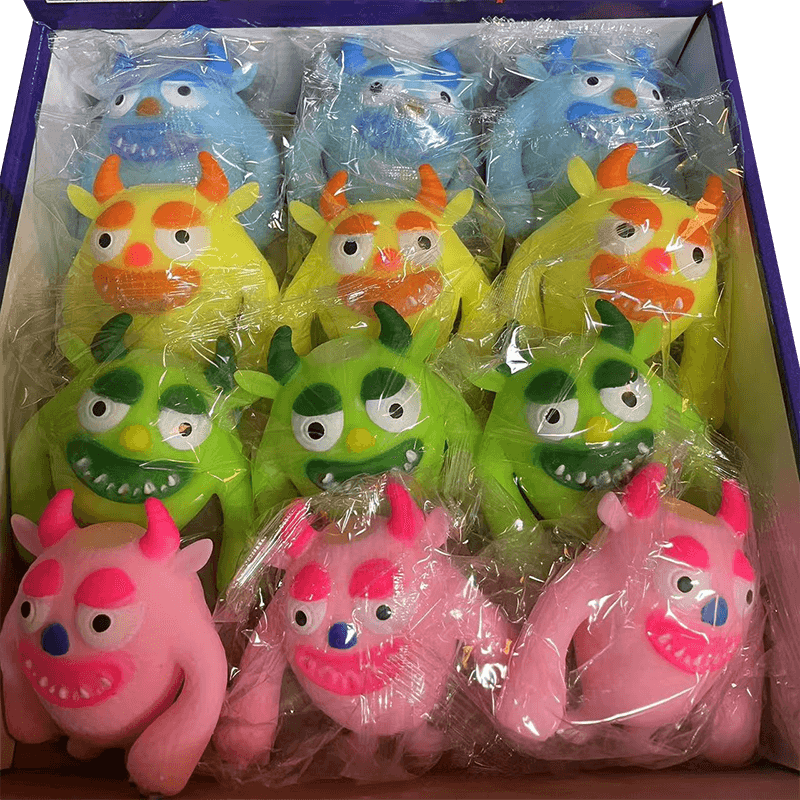
Cute stress relief squeeze toys attract users with their soft texture, creative designs, and satisfying rebound feeling. From animal shapes to food-inspired styles, these small sensory products are commonly placed on desks, carried in bags, or used during short breaks. However, some users notice that their favorite squeeze toy becomes flatter, softer, sticky, or unable to return to its original appearance after repeated use. The reason behind this change is related to material structure, internal stress, and daily handling habits.
A Cute Stress Relief Squeeze Toy depends on elasticity and shape memory to create a comfortable squeezing experience. Understanding why deformation happens helps explain the difference between a durable sensory toy and one that loses its appeal after a short period.
1. Material structure determines shape recovery ability
The internal composition of a squeeze toy directly affects how well it returns to its original form. Different toys may use TPR, silicone, PU foam, gel-filled structures, or blended elastomer materials. Each material reacts differently under repeated compression.
- TPR-based designs usually rely on elastic polymer chains that stretch and recover after pressure is released.
- Foam-based squishies often depend on air cells and foam memory, which may gradually collapse after continuous squeezing.
- Gel-filled toys use internal filling movement to create a soft sensation but require strong outer layers to prevent leakage or deformation.
Products advertised with quick rebound features usually focus on maintaining shape recovery after compression cycles. Some retail descriptions highlight durable TPR construction and rebound performance as important characteristics for repeated use.
2. Repeated squeezing creates internal material fatigue
A squeeze toy may look simple, but every press creates mechanical stress inside the material. The outer surface stretches, while the inner structure experiences compression forces.
After hundreds or thousands of compression cycles, several changes may appear:
- Reduced elasticity – polymer chains may not recover as efficiently as they did during the first uses.
- Permanent deformation – continuous pressure can create areas that remain slightly compressed.
- Slower rebound speed – the toy may need more time to regain its original shape.
Material fatigue is not unique to stress toys. Soft elastic materials generally experience changes after repeated stretching and compression because internal structures gradually absorb mechanical energy.
3. Cute shapes can increase deformation risk
The appearance of a squeeze toy often influences its durability. Cute animal faces, fruit shapes, and cartoon characters require complex molding designs. Thin sections, small details, and uneven thickness areas may experience more stress during squeezing.
For example:
- A toy with large ears or small tails may deform faster around those thinner sections.
- A fruit-shaped design with uneven walls may recover differently across different areas.
- Small decorative parts may become loose after repeated stretching.
Visual design and tactile performance must work together. A highly detailed shape can create a stronger emotional connection, but the structure needs enough material support to maintain appearance.
4. Temperature and storage conditions influence shape stability
Environmental conditions also affect how squeeze toys behave. Soft polymer materials respond to heat, cold, sunlight exposure, and storage pressure.
- High temperatures may soften the material and accelerate aging.
- Direct sunlight can affect color stability and surface texture.
- Long-term compression during storage may leave permanent marks.
A squeeze toy kept inside a hot car, near a window, or under heavy objects may lose shape faster compared with one stored at normal room conditions.
5. Surface changes do not always mean the toy is damaged
Many users associate any texture change with product failure. However, minor changes can occur naturally during regular use.
Common observations include:
- Slight softness increase after frequent handling due to surface warming and material adjustment.
- Small texture differences caused by hand oils or dust accumulation.
- Gradual rebound reduction after long-term compression cycles.
User discussions about squishy toys often mention differences in durability depending on material type, construction method, and intensity of use. Some users report certain toys lasting months, while others experience tearing or deformation after heavy squeezing.
6. Technical factors behind long-lasting rebound
Manufacturers usually evaluate several material properties to improve squeeze toy performance. These technical factors include:
- Hardness level – softer materials provide easier squeezing, while higher hardness can improve structural support.
- Tensile strength – higher resistance helps reduce cracking or tearing during stretching.
- Compression recovery – determines how quickly the toy returns after being pressed.
- Wall thickness design – balanced thickness helps maintain shape consistency.
A well-designed squeeze toy often combines flexible material with proper internal structure instead of relying on softness alone.
7. How users can extend the usable life of squeeze toys
Simple handling habits can help maintain the original feel and appearance.
- Avoid pulling thin decorative parts aggressively.
- Keep the toy away from extreme heat sources.
- Clean the surface gently instead of using harsh chemicals.
- Store it in an open space without heavy pressure.
These steps reduce unnecessary stress on the material structure and help preserve the tactile experience.
Final thoughts on squeeze toy shape retention
The reason cute stress relief squeeze toys lose their shape is not caused by a single factor. Material selection, design complexity, compression frequency, and storage environment all influence long-term performance. A soft sensory toy needs a balance between comfortable squeezing and structural recovery.
Understanding these factors allows users to judge changes more realistically and enjoy their squeeze toys for a longer period. The small details behind elasticity and design determine whether a cute desk companion remains enjoyable after repeated daily interaction.
 +86-159 8313 8795
 No. 188, Weisi Road, Licun Village, Xiaoshun Town, Jindong District, Jinhua, Zhejiang, China