

 English
 中文简体
中文简体
Animal-shaped fidget toys have become popular companions for people who enjoy tactile interaction during work, study, or relaxation time. Their cute appearance and soft texture make them attractive, but many users eventually ask the same question: can a small squeeze toy survive strong and repeated pressing every day?
Squeeze TPR Animal Fidget Toys are designed around flexibility, rebound performance, and comfortable hand pressure. However, durability depends on several factors, including material structure, wall thickness, shape design, and how much force is applied during use. A toy that feels soft during the first squeeze may perform differently after thousands of compression cycles.
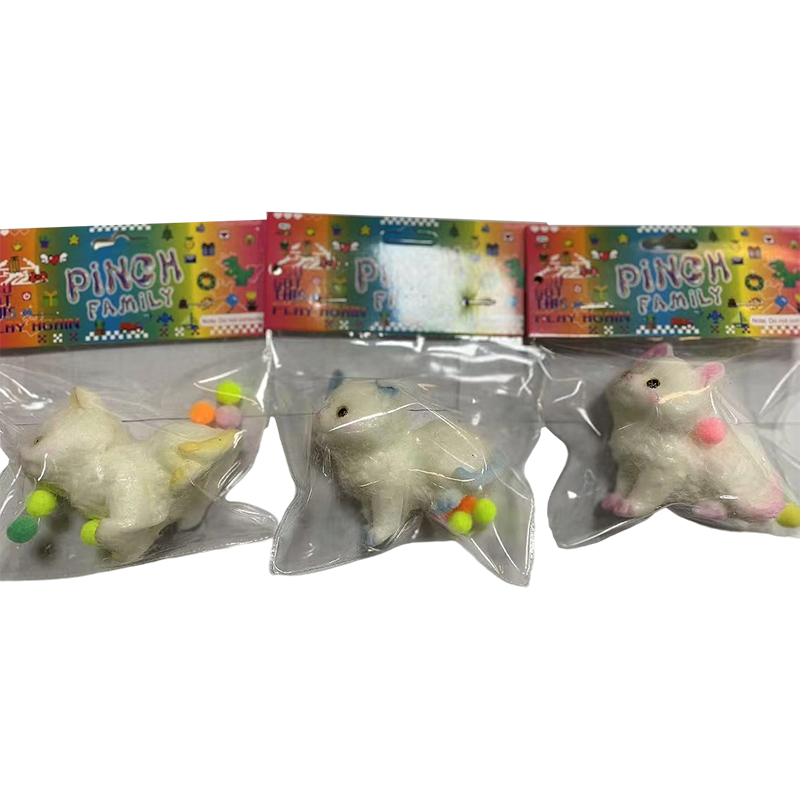
How TPR material responds to repeated squeezing
Thermoplastic rubber (TPR) is widely used for sensory toys because it combines rubber-like flexibility with plastic processing advantages. The material can be molded into detailed animal shapes while maintaining a soft touch and certain recovery ability after deformation.
The performance of a TPR fidget toy mainly depends on its polymer structure and formulation. A balanced material design allows the toy to absorb compression force and gradually return to its original shape.
- Elastic recovery – determines how quickly the toy returns after being squeezed.
- Tear resistance – affects whether thin areas crack under stretching or twisting.
- Surface durability – influences whether the toy becomes sticky or damaged after frequent handling.
A well-formulated TPR compound can handle regular squeezing activities, but no soft material remains unchanged under unlimited force.
Heavy pressing creates different stress compared with normal use
Many users squeeze fidget toys gently during short breaks. Others apply strong pressure because they enjoy a firmer resistance feeling. These two usage patterns create different mechanical demands.
Heavy pressing affects the toy in several ways:
- Internal compression stress – repeated force pushes the material beyond its normal recovery range.
- Shape deformation – continuous pressure on one area may create permanent dents.
- Surface stretching – pulling ears, tails, or small decorative parts can increase tear risk.
Online discussions about fidget toy durability often mention that aggressive squeezing can shorten product life, especially with designs that contain thin sections or softer structures.
Animal designs create unique durability challenges
The biggest attraction of animal fidget toys is their appearance. Cats, bears, dinosaurs, rabbits, and other creative shapes provide stronger emotional appeal compared with simple balls or blocks. However, detailed shapes also introduce additional stress points.
- Small ears and horns may experience higher stretching force during handling.
- Thin legs or tails can become weak areas after repeated bending.
- Uneven thickness may cause different recovery speeds across the same toy.
Manufacturers usually need to balance visual details with structural strength. A cute appearance should not reduce the toy’s ability to handle normal interaction.
What technical features support better squeeze resistance?
Several technical factors influence how long a TPR animal fidget toy maintains its original feel.
- Shore hardness – softer grades provide easier squeezing, while slightly firmer grades usually offer stronger structural support.
- Material density – affects hand feel, weight, and internal strength.
- Wall thickness – balanced thickness helps distribute compression force.
- Compression recovery rate – indicates how effectively the toy regains its shape after pressure release.
Typical soft TPR products may use hardness ranges around Shore 00-20 to Shore A 50 depending on the desired tactile experience. The correct hardness level helps create a comfortable squeeze without making the structure too fragile.
Can TPR fidget toys break during everyday use?
Breaking is usually related to extreme pressure, poor storage, or material limitations rather than normal squeezing alone. A properly designed toy should tolerate regular hand compression during daily stress relief activities.
Possible signs of excessive stress include:
- Permanent flattening after squeezing.
- Small surface cracks around thin areas.
- Changes in texture or increased stickiness.
- Reduced rebound speed after compression.
Consumer safety organizations also emphasize that toys should meet applicable safety requirements, including standards related to material quality and mechanical hazards. ASTM F963 covers various toy safety areas, including requirements related to squeeze toys.
How users can improve the lifespan of animal squeeze toys
Simple habits can help maintain the original texture and appearance.
- Avoid pulling small decorative parts with strong force.
- Keep the toy away from direct sunlight and high temperatures.
- Clean the surface with mild soap instead of aggressive chemicals.
- Store the toy without heavy objects pressing against it.
Heat exposure deserves special attention because soft materials may become easier to deform at elevated temperatures. Some squishy toy safety discussions also warn that heat can affect material stability and increase the chance of unexpected damage.
Comparing TPR squeeze toys with other sensory materials
Different materials create different experiences. PU foam toys often provide a slow-rise sensation, while silicone products usually offer a smooth and stable surface feel. TPR stands between these options by providing flexibility, easy molding, and a rubber-like touch.
- TPR – flexible, soft, suitable for detailed animal shapes.
- Silicone – smooth texture with strong aging resistance.
- PU foam – lightweight with unique slow recovery characteristics.
The right choice depends on the expected squeezing intensity and preferred tactile feeling.
Final thoughts on TPR animal fidget toy durability
Squeeze TPR Animal Fidget Toys can handle regular daily pressing thanks to their flexible material properties and elastic recovery ability. However, durability has limits. Strong squeezing, repeated stretching, extreme temperatures, and complex thin designs can accelerate wear.
A reliable squeeze toy is not simply the softest one. A good balance between material strength, shape design, and user habits determines how long the toy remains enjoyable. Understanding these factors helps users choose sensory products that match their preferred squeezing style and daily routine.
 +86-159 8313 8795
 No. 188, Weisi Road, Licun Village, Xiaoshun Town, Jindong District, Jinhua, Zhejiang, China